Furnace Repair in Colorado Springs: What Homeowners Need to Know
The first cold morning of fall in Colorado Springs catches a lot of homeowners by surprise. Overnight temperatures can drop into the 40s even while afternoons remain comfortably warm, so the furnace often sits out of mind until it’s suddenly needed. That’s when many people find out their heating system has a problem.
This is the most common timing we see for furnace repair calls in Colorado Springs. Not the dead of winter, when people are vigilant about their heat, but in September and October, when the heating season starts and systems that weren’t working when they were last used finally get tested again.
This guide covers what goes wrong with furnaces, what repairs cost, how to decide between repair and replacement, and what working with an honest HVAC company looks like when you’re in that situation.
The Most Common Furnace Problems in Colorado Springs
Most furnace repairs fall into a predictable set of categories. Understanding them helps you have a more informed conversation when a technician gives you a diagnosis.
Ignition Failure
Modern furnaces use either a hot surface ignitor or an electronic ignition system to light the burner. Hot surface ignitors are ceramic components that glow bright orange to ignite the gas, and they wear out over time the way any heating element does. When one fails, the furnace will cycle and call for heat, the inducer fan will run, but the burner won’t light and the system shuts down without producing any heat. This is one of the more common repairs we see at the start of heating season in Colorado Springs, and it’s typically a straightforward fix.
Flame Sensor Fouling
The flame sensor is a thin metal rod that detects whether the burner has successfully ignited. If it can’t sense the flame, the gas valve closes as a safety measure. Over time, oxidation builds up on the sensor and it stops reading correctly, causing the furnace to light, run for a few seconds, and then shut off. Cleaning or replacing the flame sensor is a common and usually inexpensive repair.
Heat Exchanger Cracks
This is the repair that gets serious. The heat exchanger is the metal component that separates combustion gases from the air circulating through your home. When it cracks, combustion gases including carbon monoxide can enter the living space. A cracked heat exchanger is a safety issue, not just a performance issue. It typically happens on older systems with significant hours on them, and a found crack is often the point at which a repair-versus-replacement conversation becomes necessary.
Control Board Failure
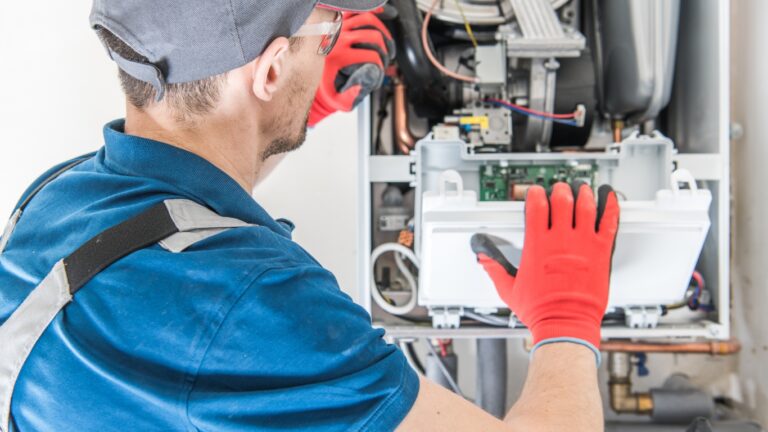
The control board is the furnace’s brain, coordinating the ignition sequence, monitoring safety switches, and controlling blower timing. When it fails, the furnace may behave erratically, fail to start, or display an error code. Control boards are more expensive than ignitors or sensors, and the repair cost needs to be weighed against the system’s age and condition.
Blower Motor Failure
The blower motor moves heated air through your ductwork and into your living spaces. A failing motor often announces itself with unusual sounds before it stops entirely: a grinding or squealing noise during operation. A completely failed blower means no airflow, and the furnace will typically shut itself down on high-limit switches to prevent overheating.
Gas Valve Issues
The gas valve controls the flow of fuel to the burner. Valve problems are less common than ignition issues but can cause similar symptoms. Diagnosing a gas valve properly requires a technician with the right equipment.
How Much Does Furnace Repair Cost in Colorado Springs?
Furnace repair costs vary significantly depending on what’s wrong. Here is a realistic range for the most common repairs in Colorado Springs as of 2026:
- Ignitor replacement: $150 to $300 including parts and labor
- Flame sensor cleaning or replacement: $80 to $200
- Capacitor replacement (blower motor): $150 to $300
- Control board replacement: $400 to $900 depending on the board and the system
- Blower motor replacement: $350 to $700
- Heat exchanger repair or replacement: $600 to $1,500+ depending on severity, though in many cases this leads to a replacement conversation rather than a repair
These ranges reflect honest, market-rate pricing in our area. Costs from company to company can vary, and it’s reasonable to ask upfront what the diagnostic fee is and how it applies to the repair cost if you proceed.
At Reliable, our technicians are on hourly pay, not commission. That matters in this conversation because a commissioned technician has a financial incentive to recommend the higher-cost repair or the replacement. An hourly technician’s recommendation is based on what the equipment needs.
Repair or Replace? How to Make the Decision for a Colorado Springs Home
The repair-versus-replacement question comes up on almost every furnace service call involving a system that is more than 12 years old. Here’s the framework we use when talking through it with homeowners.
Consider the repair cost relative to the system’s value. A rough industry guideline is to replace when the repair cost exceeds 50 percent of the replacement cost, particularly on older systems. For a furnace that is 15 years old, a $900 control board repair might be hard to justify against a new system. For an 8-year-old furnace, a $250 ignitor repair almost always makes sense.
Consider the age and efficiency of the system. Furnace efficiency is rated in AFUE, or Annual Fuel Utilization Efficiency. Systems installed before 2006 often have AFUE ratings of 80 percent or lower. Modern high-efficiency furnaces run at 95 to 98 percent AFUE. In Colorado Springs, where you’re running a furnace from roughly October through April, the difference in gas cost between an old 80 percent system and a new 96 percent system adds up over a season.
Consider the heat exchanger. A cracked heat exchanger on a 16-year-old furnace is a different decision than a cracked heat exchanger on a 6-year-old furnace. On an older system, the heat exchanger repair cost typically pushes toward replacement regardless of how good the rest of the system looks.
Consider what else has been repaired. A furnace that has needed an ignitor, a control board, and a blower motor in the past four years is telling you something about where it is in its lifecycle, even if the next repair on the list is relatively minor.
We’ll tell you which situation you’re in. Some systems are worth repairing and running for several more years. Others are at a point where the better financial decision is a new system. We’ll lay out the numbers and let you make the call.
What to Expect When You Call Reliable for Furnace Repair
When you call us for a furnace repair in Colorado Springs, here is what the process looks like from your end.
The technician arrives, introduces themselves, and starts the diagnostic process. They’re not going to spend 10 minutes flipping through a clipboard and then tell you the system needs an entirely new furnace before they have looked at it. The diagnosis happens first.
Once they know what’s wrong, they’ll explain it to you in plain language, tell you what the repair costs, and answer whatever questions you have. If there are multiple issues, they’ll walk through each one and tell you which ones matter for getting the heat working versus which ones can be monitored. There’s no pressure to sign off on repairs you’re not sure about.
We carry the most common replacement parts on the truck. Ignitors, flame sensors, capacitors, and many control boards are stocked. Parts that need to be ordered will have a clear timeline.
If the diagnosis leads to a replacement conversation, that conversation will include specific numbers: what the repair costs, what a new system costs, what the efficiency difference is, and what the honest expected lifespan of the current equipment looks like. You’ll have enough information to make a decision.
We’ve been doing this in Colorado Springs since 2012, and our technicians go through about 100 hours of training per year. Our technicians hold a Mechanical 4 license, which is the license required by El Paso County for HVAC work. When the work is done, it’s done right.
Getting Ahead of Heating Season: What to Do Before October
If you’re reading this in September and your furnace hasn’t been used since spring, here’s the practical advice before turning it on:
Replace the filter. A filter that has sat in place all summer has likely collected dust and may restrict airflow when the system starts.
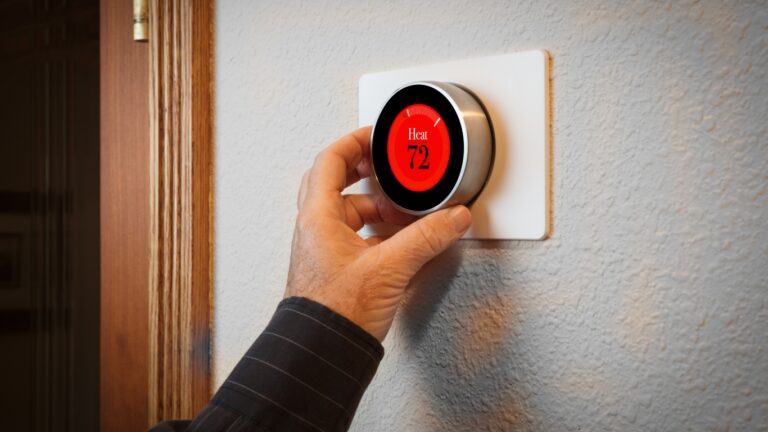
Turn the system to heat and set the thermostat above room temperature. Let it run for 10 to 15 minutes and make note of anything that seems off: unusual smells that don’t clear quickly, strange sounds, inconsistent airflow between rooms.
A dusty smell when the furnace first runs in fall is normal and usually clears within an hour as the dust burns off. A persistent chemical or burning smell, the smell of gas, or a system that runs but doesn’t produce heat are reasons to shut the system off and call.
If you’d rather not troubleshoot it yourself, scheduling a furnace tune-up before October is the cleaner option. A technician goes through the system before the heating season rather than after it fails.
Frequently Asked Questions
Call Reliable Heating & Cooling at (719) 377-7303 for furnace repair in Colorado Springs. We serve Colorado Springs, Falcon, Monument, Woodland Park, Peyton, Meridian Ranch, and the surrounding El Paso County area.
For routine furnace service before the heating season starts, see our furnace maintenance page. If you’re weighing repair against replacement, our furnace services page covers what a new installation involves and what to expect.