Why Boilers Fail in Winter—and How to Prevent a Breakdown in Your Colorado Springs Home or Business
Boilers are known for their durability, reliability, and long lifespan—but winter is the season when they’re pushed to their limits. When temperatures drop in Colorado Springs, your boiler must work harder to heat your home or commercial building. That extra demand can expose underlying issues, leading to unexpected breakdowns, rising energy bills, or even safety concerns.
Whether you rely on a boiler for a single-family home, rental property, office, or commercial space, understanding why boilers fail in winter is the key to preventing costly repairs and downtime.
Reliable Heating & Cooling provides boiler repair, maintenance, and installation for both residential and commercial customers—keeping Colorado Springs properties warm when it matters most.
1. Increased Heating Demand Causes System Stress
During cold spells, boilers run more frequently and for longer periods. This added workload can highlight weak components, such as:
- Aging pumps
- Worn ignition systems
- Failing thermostats
- Weak gas valves
- Blocked burners
When these parts begin to fail, the system can lose efficiency or stop working altogether.
Prevention Tip: Schedule pre-winter maintenance to check and clean burners, inspect safeties, evaluate the ignition system, and ensure all components are operating correctly.
2. Frozen or Blocked Condensate Lines
For high-efficiency condensing boilers, frozen condensate lines are one of the most common winter failures. When the line freezes, the boiler automatically shuts down to protect itself.
Common causes include:
- Poorly insulated condensate pipes
- Extremely low outdoor temperatures
- Blockages from debris or buildup
Prevention Tip: Insulate the lines and have them checked during routine maintenance to prevent freezing and drainage issues.
3. Low Water Pressure
Boilers rely on proper water pressure to function. In winter, pressure problems can occur due to:
- Hidden leaks
- Faulty expansion tanks
- Sediment buildup in the system
- Air pockets forming in the pipes
Low pressure will cause the boiler to shut off or fail to heat properly.
Prevention Tip: Regular maintenance includes checking pressure levels, inspecting tanks, and bleeding air from the system when necessary.
4. Thermostat and Sensor Failures
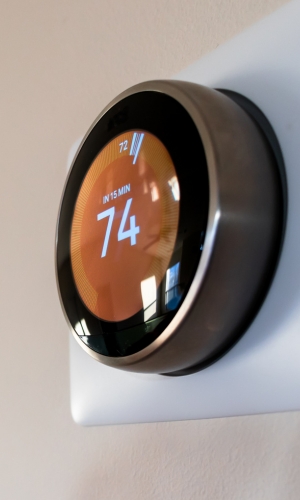
When temperatures drop, thermostats and sensors have to work harder to maintain consistent heating. Faulty thermostats or sensors can cause:
- Short cycling
- Inconsistent temperatures
- No heat calls
- System lockouts
Prevention Tip: Have thermostats, wiring, and sensors inspected annually to avoid mid-winter failures.
5. Dirty Burners and Heat Exchangers
Over time, burners and heat exchangers accumulate dirt, soot, or rust. This buildup restricts combustion and heat transfer—causing the boiler to work harder and eventually shut down.
Dirty components can lead to:
- Slow heating
- Strong odors
- Reduced efficiency
- Higher energy bills
Prevention Tip: Professional cleaning during annual boiler maintenance ensures safe and efficient operation.
6. Aging Components Reaching the End of Life
Most boilers last 15–20 years, but winter is when older systems show their age. Wear and tear from years of operation can cause:
- Leaks
- Noisy operation
- Slow heating
- Frequent shutdowns
At some point, repairs become more expensive than replacement.
7. Lack of Annual Maintenance
The leading cause of winter boiler failure is overdue maintenance. Boilers require seasonal care to stay safe and efficient—especially in Colorado’s climate.
A standard maintenance service includes:
- Cleaning burners and sensors
- Checking safeties and wiring
- Checking for carbon monoxide or gas leaks
- Checking blower motor and wheel (if applicable)
- Inspecting and cleaning venting components
- Ensuring proper water levels and pressure
- Checking overall system operation
Without this, problems can go undetected until a stressful winter breakdown occurs.
How to Prevent Boiler Breakdowns This Winter
Here are the top steps Colorado Springs homeowners and business owners can take:
1. Schedule a Pre-Winter Boiler Tune-Up
This ensures all components are cleaned, checked, and verified before extreme temperatures hit.
2. Watch for Warning Signs
Call for service if you notice:
- Strange noises
- Water leaks
- Reduced heat output
- High energy bills
- Frequent cycling
3. Keep the Area Around the Boiler Clear
Blocked airflow or dust buildup can impact system performance.
4. Install or Test Carbon Monoxide Detectors
Boilers require proper venting—CO alarms are essential for safety.5. Consider Upgrading If Your System Is Aging
If your boiler is 15–20+ years old, a replacement may provide better efficiency, reliability, and lower heating costs.
Stay Warm All Winter with Reliable Heating & Cooling
Whether you need boiler repair, seasonal maintenance, or a full system replacement, Reliable Heating & Cooling is here to support homeowners and businesses across Colorado Springs.
Our team provides:
- Boiler repair
- Boiler maintenance
- Boiler installation
- Residential + commercial heating services
Call 719-377-7303 or submit your online inquiry to schedule service.