Why Is My AC Running But Not Cooling? A Colorado Springs Troubleshooting Guide
A system that runs all afternoon and still leaves the house at 80 degrees is one of the more frustrating AC problems a homeowner can deal with. The equipment sounds like it’s doing something. The fan is moving air. But the temperature isn’t dropping the way it should, and the longer it runs the less confident you feel that it’s doing anything.
This is a common call we get in Colorado Springs through July and August. The good news is that the causes are usually identifiable, and most of them are fixable. This guide covers the most likely explanations, what each one looks and feels like, and when it’s time to call a technician rather than keep troubleshooting.
What Are the Most Common Reasons an AC Runs Without Cooling?
There are five causes that account for the large majority of “running but not cooling” complaints we hear from Colorado Springs homeowners. They’re worth working through in order, because some of them have a DIY fix and some don’t.
1. Low Refrigerant
Refrigerant is the substance that transfers heat from inside your home to outside. The AC system doesn’t consume it the way a car burns fuel. If the refrigerant level is low, it means there’s a leak somewhere in the system.
A refrigerant problem usually develops gradually rather than all at once. You’ll notice the system running longer than it used to, rooms that used to cool reliably staying warmer, or the air from the vents feeling less cold than it should. In Colorado Springs, where the air is dry and you have a baseline sense of what proper cooling feels like in your home, this kind of gradual change can be noticeable before the system completely fails to cool.
There is no DIY fix for low refrigerant. A technician needs to find the leak, repair it, and recharge the system. Adding refrigerant without fixing the source is a temporary measure that will put you back in the same situation within a season or two.
2. Dirty or Fouled Evaporator Coil
The evaporator coil sits inside the air handler and is responsible for absorbing heat from the air moving through your home. Over time, dust, pet hair, and other particulates accumulates on the coil surface, insulating it and reducing how effectively it can absorb heat.
Colorado Springs has its own version of this problem. Dry air carries fine dust differently than humid air does, and during wildfire seasons the particulate load in the air increases significantly. Coils that sit behind an air filter still collect buildup over time, and a coil that has gone multiple seasons without cleaning can lose a meaningful percentage of its heat transfer capacity.
A fouled evaporator coil often feels like low refrigerant from the inside: the system runs but the cooling isn’t what it should be. The distinction matters for the repair, which is why a technician’s diagnosis is more useful than guessing.
3. Clogged Air Filter
This one you can check yourself right now. A filter that is severely clogged restricts the airflow the evaporator coil needs to work. Without enough air moving across it, the coil gets too cold and can freeze, which then blocks airflow further and reduces cooling to almost nothing.
Pull your filter and hold it up to a light source. If you can’t see light through it, replace it. If the evaporator coil is frozen, you’ll see ice on the refrigerant line at the air handler. Turn the system to fan-only for one to two hours to let the coil thaw before running cooling again. If it freezes again after you’ve replaced the filter, there’s a secondary issue, and low refrigerant is the most likely one.
Filter replacement is something we’d recommend doing every one to three months in Colorado Springs depending on how much your system runs and your home’s dust levels. A fresh filter costs a few dollars and protects the system.
4. Dirty Condenser Coils
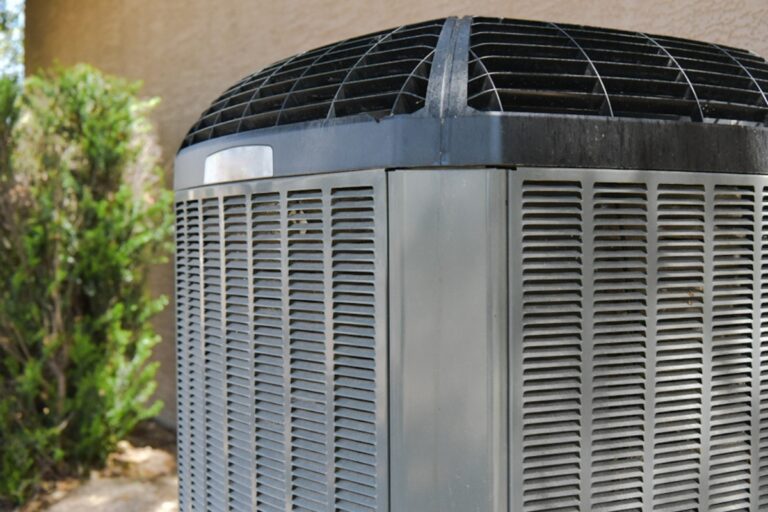
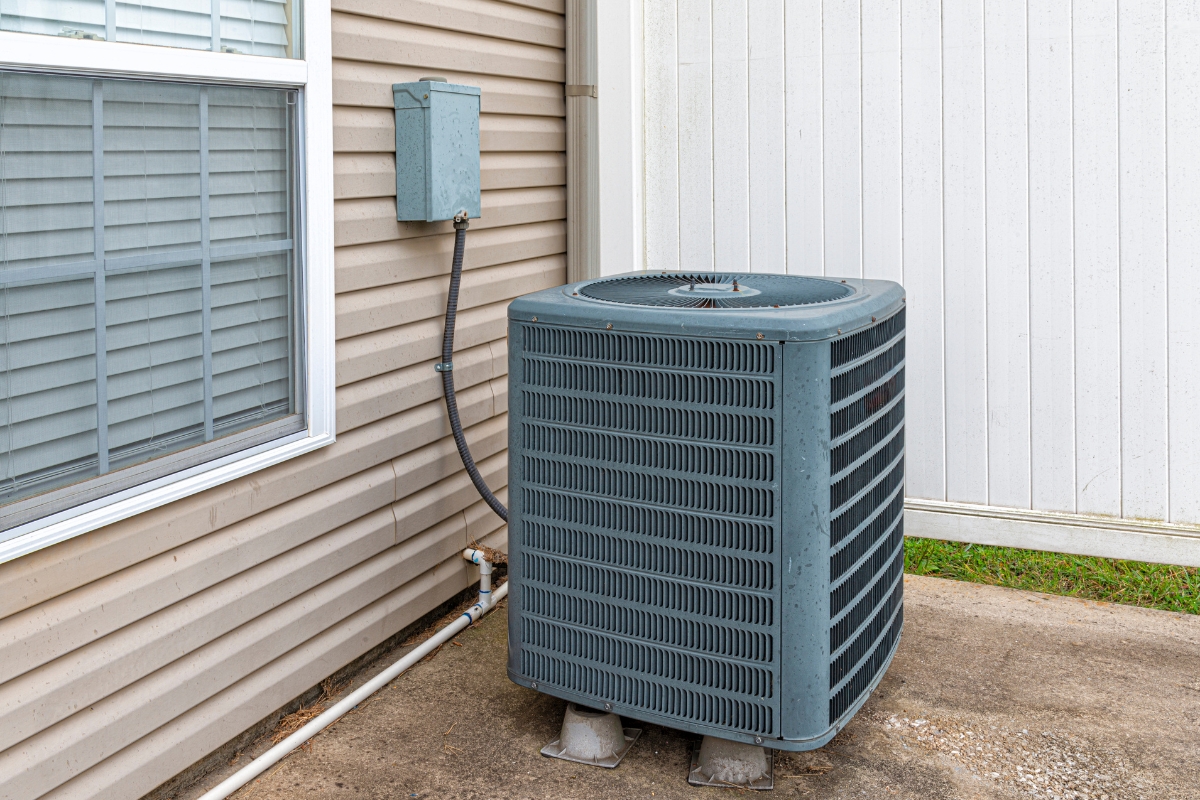
The condenser coil is in the outdoor unit, and it’s responsible for releasing the heat pulled from your home into the outside air. In Colorado Springs, the outdoor unit is exposed to cottonwood season in late spring, dust, and the general debris that accumulates around any outdoor equipment.
If the condenser coil is fouled, the system can’t shed heat efficiently. The compressor works harder, the system runs longer, and the house still doesn’t get as cool as it should. You can help by keeping vegetation trimmed back at least two feet from the unit and rinsing the exterior of the unit gently with a garden hose once a season. If the fins are visibly packed with debris, a professional cleaning is worth scheduling.
5. Compressor or Electrical Issue
If the outdoor unit is running but the compressor isn’t, the system will circulate air through your home without any actual cooling happening. A technician can diagnose this in a few minutes with the right equipment. A capacitor that is weakening but hasn’t fully failed can also cause the compressor to run at reduced capacity, which produces exactly the “running but not cooling” symptom.
These require a service visit.
How to Tell the Difference Between These Problems at Home
You can narrow it down reasonably well with a few observations:
Feel the air at a supply vent. If the air coming out feels close to room temperature rather than noticeably cool, the system is not transferring heat properly. That points toward refrigerant, coil, or compressor issues rather than airflow.
Check the temperature differential. A healthy central AC system should produce air that is 15 to 20 degrees cooler than the air it pulls in. In Colorado Springs, with a return air temperature of 78 degrees, supply air should feel in the high 50s or low 60s. If it doesn’t, something is limiting the heat transfer process.
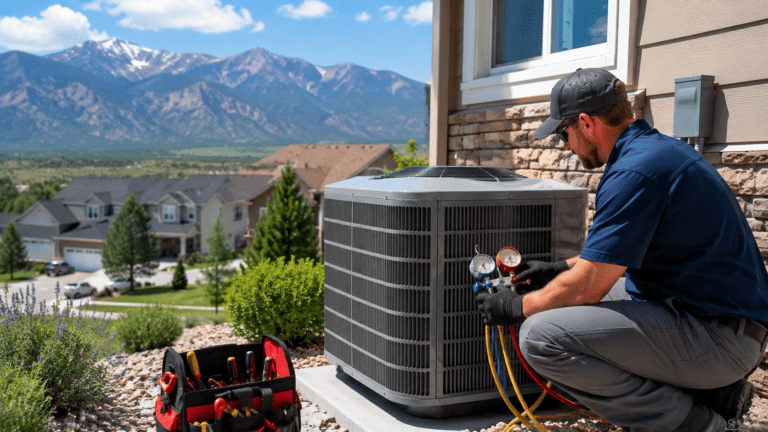
Check the outdoor unit. Is the fan on top spinning? Is the unit running at all? A unit that is running but producing no cooling sensation indoors, combined with supply air that feels warm, is a strong signal for refrigerant or coil problems.
Check for ice. Ice on the refrigerant line at the air handler almost always means either a severely restricted airflow (dirty filter, blocked return) or low refrigerant. Both are worth addressing promptly because running a frozen system causes damage over time.
Look at your filter. If you can’t remember when you last changed it, that’s the first thing to address before calling anyone.
When Should You Call a Technician?
Call if:
- You’ve replaced the filter and the problem continues
- The air from your vents feels closer to room temperature than cool
- The system has been running continuously for more than an hour without the house temperature dropping
- You see ice on the refrigerant line and it re-freezes after thawing
- The outdoor unit sounds different than it normally does: straining, rattling, or notably louder than usual
- Temperatures inside the home are climbing despite the system running
A system that is running but not effectively cooling is doing two things at once: failing to keep you comfortable and drawing electricity to do it. There is no benefit to letting it run through the problem. If the DIY checks above don’t resolve it, a service call is the right move.
Why Colorado Springs AC Problems Feel Different in August
August in Colorado Springs brings something that July usually doesn’t: the monsoon pattern. Afternoon storms roll in from the southeast with humidity levels that can spike from 15 percent to 60 percent or higher in the span of an hour. For a system that is already marginal, that humidity spike is a meaningful additional load, because the evaporator coil now has to pull moisture out of the air in addition to removing heat.
A system that is just barely keeping up on a dry 88-degree afternoon in July may noticeably struggle on a humid 83-degree afternoon in August. If you’re noticing that your AC seems to perform inconsistently based on the day’s weather rather than just the temperature, that’s often a refrigerant or coil problem that the humidity is amplifying.
Colorado Springs elevation also plays a role. At 6,035 feet, the lower air density changes how the refrigerant cycle performs slightly compared to sea-level specifications. Systems are charged and calibrated for the altitude, but a charge that is even slightly off at elevation can underperform in ways that would be less noticeable closer to sea level.
Frequently Asked Questions
If your AC is running but not keeping up in Colorado Springs, call Reliable Heating & Cooling at (719) 377-7303. We serve Colorado Springs, Falcon, Monument, Woodland Park, Peyton, and Meridian Ranch.
Our technicians are on hourly pay, not commission. The diagnosis you get reflects what your system needs, not what generates the most revenue on a service call. We’ve been doing this here since 1980, and we’re not going to stop giving straight answers.
For more, see our AC repair service page or our full AC maintenance information.