Is Your Furnace Safe? Warning Signs Every Colorado Springs Homeowner Should Know
A furnace can run for years without heating your home safely. That’s the uncomfortable part of furnace safety in Colorado Springs, a system can produce enough warmth to keep a house comfortable while still leaking carbon monoxide, drawing gas unevenly, or running a cracked heat exchanger that hasn’t failed completely yet. Winter is when these risks climb, since furnaces run longer and windows stay shut, and Colorado Springs homes at altitude burn fuel less efficiently than the same systems would at sea level. Knowing what to watch for is the difference between catching a problem early and finding out the hard way.
The Warning Signs You Shouldn’t Ignore
A few signs point to a genuine safety issue rather than a simple performance problem. A yellow or flickering pilot light, instead of a steady blue flame, usually means incomplete combustion. Soot buildup around the furnace cabinet or vents suggests the same thing. A burning smell that doesn’t fade after the first day of the season, unusual noises like banging or popping, and headaches or nausea that improve when you leave the house are all reasons to stop using the furnace and call someone the same day, not the same week.
Can a Furnace Leak Carbon Monoxide Without Warning?
Yes, and that’s exactly why it’s dangerous. Carbon monoxide has no smell, no color, and no taste, so a leak can build up in a home for hours before anyone notices anything is wrong. According to the CDC, the majority of accidental carbon monoxide deaths in the U.S. happen between September and April, the exact months when furnaces are running the most, and the Consumer Product Safety Commission lists furnaces and boilers among the leading fuel-burning appliances tied to non-fire carbon monoxide deaths each year. A working carbon monoxide detector on every level of the house is the only reliable early warning, since the human senses simply can’t detect it on their own.
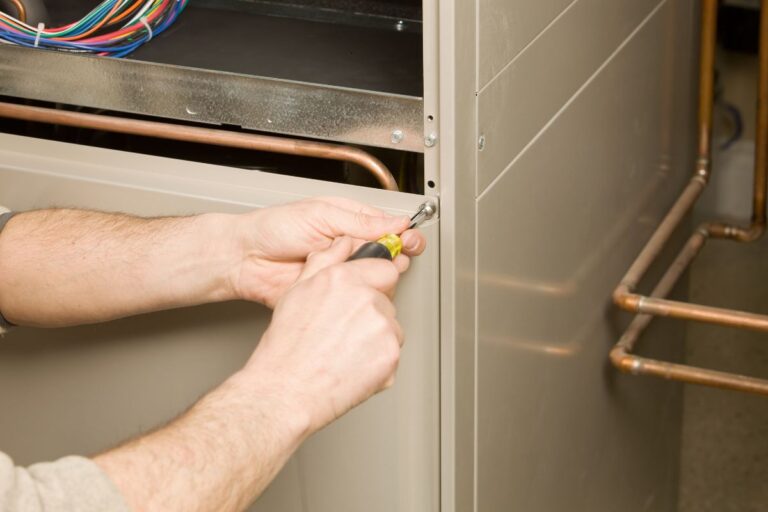
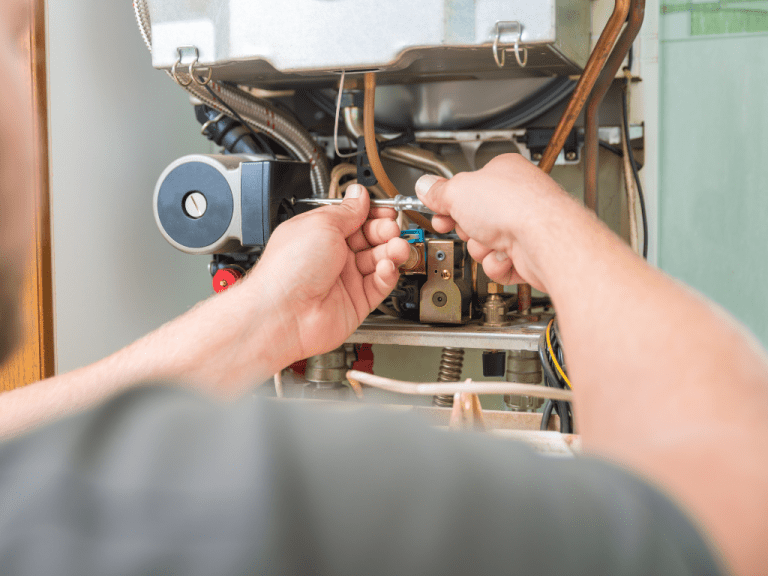
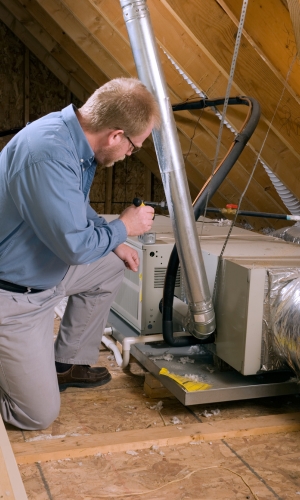
Inside a Real Safety Inspection
Older Furnaces and the Heat Exchanger Problem
A cracked heat exchanger is one of the more serious issues a furnace can develop, and it becomes more common as systems pass the 15-year mark. It’s one of the specific failure points we walked through in our furnace repair guide earlier this fall. The crack itself can be small enough that it doesn’t affect how warm your house feels, while still allowing combustion gases to mix into the air your furnace is circulating. This is one of the honest trade-offs of an aging system, it can look and feel completely normal while quietly becoming less safe every winter it runs.
When to Call Instead of Wait
If you smell gas, shut off the furnace, leave the house, and call from outside. For anything short of that, a technician paid hourly rather than on commission has no reason to talk you into a repair you don’t need, which means you can call with a genuine question and get a genuine answer, not a sales pitch dressed up as a safety warning.
Frequently Asked Questions
If it’s been more than a year since your furnace had a real inspection, schedule a furnace safety check with Reliable Heating & Cooling.